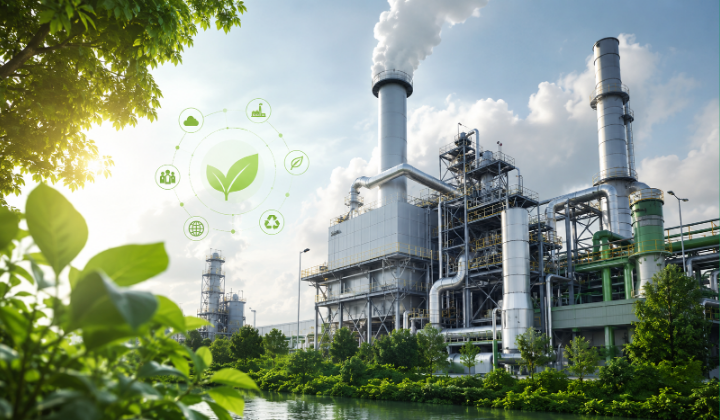
SO2 & Acid Gas Compliance
Companies worldwide are under increasing pressure to reduce harmful emissions and comply with strict environmental regulations. Sulfur dioxide (SO₂) and several acid gases are emitted in industrial combustion and production processes and are among the most important pollutants. These emissions are a source of air pollution, acid rain, environmental degradation and health effects and are important to control.
The construction of more sophisticated SO2 emission-reduction systems and full acid gas treatment facilities is helping industries comply with sulfur dioxide requirements and new environmental regulations. Modern pollution control solutions can help industries reduce emissions, improve efficiency, and remain compliant with regulations.
Understanding SO2 Emission Control
The sources of generation are mainly the combustion of sulfur-containing fuels such as coal and oil, as well as some industrial feedstocks. SO₂ emissions are a significant source from several industries, including power generation, cement production, metal processing, refineries, and chemical plants.
SO2 emissions must be controlled to reduce environmental impact and ensure that air quality standards are met. Industrial facilities need to exchange for appropriate technology to capture and remove SO₂ before it is emitted to the atmosphere.
Today's pollution control systems can drastically reduce SO₂ levels while ensuring optimal plant performance and environmental sustainability.
Why Sulfur Dioxide Compliance Matters
Government and environmental regulations on industrial emissions continue to be tightened. Compliance with sulfur dioxide limits is no longer optional but a must for industries in highly regulated environments.
Failure to meet emission standards can result in:
• Regulatory penalties
• Operational restrictions
• Increased environmental liabilities
• Damage to corporate reputation
• Higher compliance costs
Compliance requirements can be met and environmental responsibility expressed by investing in advanced industrial air pollution control solutions.
Role of Acid Gas Treatment Systems in Industrial Operations
Other harmful acid gases, such as hydrogen chloride (HCl), hydrogen fluoride (HF), and sulfur trioxide (SO₃), as well as other volatile acidic compounds, can be produced by industrial processes.
These pollutants can be removed and neutralised from the emissions using acid gas treatment systems. They are critical to maintaining air quality and meeting environmental standards.
Industries commonly using acid gas treatment technologies include:
• Power plants
• Waste-to-energy facilities
• Chemical manufacturing plants
• Refineries
• Cement industries
• Metal processing industries
Good acid gas control can minimise environmental impacts, enhance safety conditions and maintain reliable operations.
Flue Gas Desulfurization: The Leading Solution for SO2 Control
The technology most commonly used for SO2 emission control is known as Flue Gas Desulfurization (FGD). The FGD systems are specifically engineered to remove sulphur dioxide from flue gases produced by industrial combustion processes.
The process entails adding sorbent material – usually limestone or lime – to remove sulfur dioxide by converting it into stable compounds that can be safely removed.
Flue Gas Desulfurization provides the following advantages:
• High sulfur dioxide removal efficiency
• Improved environmental performance
• Regulatory compliance support
• Reduced acid rain contribution
• Enhanced air quality protection
In today's industrial air pollution control strategies, FGD technology remains a key technology worldwide.
Acid Gas Scrubber Systems and Their Importance
Another highly effective technology for removing acidic pollutants from industrial exhaust streams is an acid gas scrubber. The scrubbers are used to neutralise harmful gases in the atmosphere before they are released by using liquid absorbents or chemical reagents.
There are several benefits of acid gas scrubbers:
• Efficient acid gas removal
• Flexible operation
• Adaptability to various industries
• Improved environmental performance
• Compliance with strict emission limits
Modern scrubber systems are commonly integrated into larger pollution control systems, thereby providing comprehensive emission control and long-term regulatory compliance.
Industrial Emission Monitoring for Regulatory Compliance
Pollutant levels need to be measured accurately and continuously to effectively control emissions. Industrial emission monitoring systems allow industrial facilities to monitor emissions in real time and ensure compliance with applicable standards.
Continuous monitoring offers good insights into:
• SO₂ concentration levels
• Acid gas emissions
• Process efficiency
• Pollution control system performance
The use of sophisticated emission monitoring solutions in industry can help detect potential problems early, optimise processes and ensure constant adherence to environmental and other regulations.
Modern Emission Control Technologies for Cleaner Operations
As the issue of sustainability comes to the fore, new emission-reduction technologies are being developed rapidly. Modern industrial plants combine various systems to clean multiple pollutants.
Common technologies include:
• Flue Gas Desulfurization systems
• Dry and wet scrubbers
• Dry and Wet Electrostatic precipitators
• Baghouse filtration systems
• Selective catalytic reduction systems
• Acid gas treatment systems
These integrated solutions help industries achieve comprehensive pollution control while supporting operational efficiency and environmental stewardship.
Air Quality Compliance and Environmental Responsibility
Ensuring air quality compliance is crucial for safeguarding public health and environmental resources. Emissions from industry can significantly impact local air quality, and reducing them is increasingly important.
Investing in a new pollution control system for the industries brings the following advantages:
• Improved environmental performance
• Enhanced corporate reputation
• Reduced regulatory risk
• Greater operational sustainability
• Long-term cost savings
Meeting environmental standards reflects good industrial practice and sustainable development.
Environmental Regulations for Industries Are Becoming Stricter
Emissions regulations are still being developed worldwide and will continue to be refined at the regional level as governments struggle to curb air pollution and address climate-related issues. Industries must continue to take proactive measures to enhance their emission-control facilities to meet existing and future mandates.
The modern compliance approaches include:
• Continuous emission monitoring
• Advanced SO₂ removal systems
• Acid gas treatment technologies
• Regular environmental audits
• Process optimization initiatives
Compliance and long-term success are more attainable for organisations that follow these practices.
Conclusion
Modern industrial operations have come to rely on effective SO2 emission control and a complete package acid gas treatment system. Industrial emission monitoring, Flue Gas Desulfurization, acid gas scrubber systems, and other technologies help industries comply with sulfur dioxide (SO₂) limits while contributing to overall environmental well-being.
With increasingly stringent environmental regulations across industries, companies must invest in reliable emission-control technologies to ensure compliance and minimise environmental impact. Industrial air pollution control solutions enable industries to function more sustainably and to safeguard communities, ecosystems and future generations.
Enviropol continues to provide industries with state-of-the-art emission management solutions that meet the changing compliance needs and enable cleaner, more responsible industrial operations.