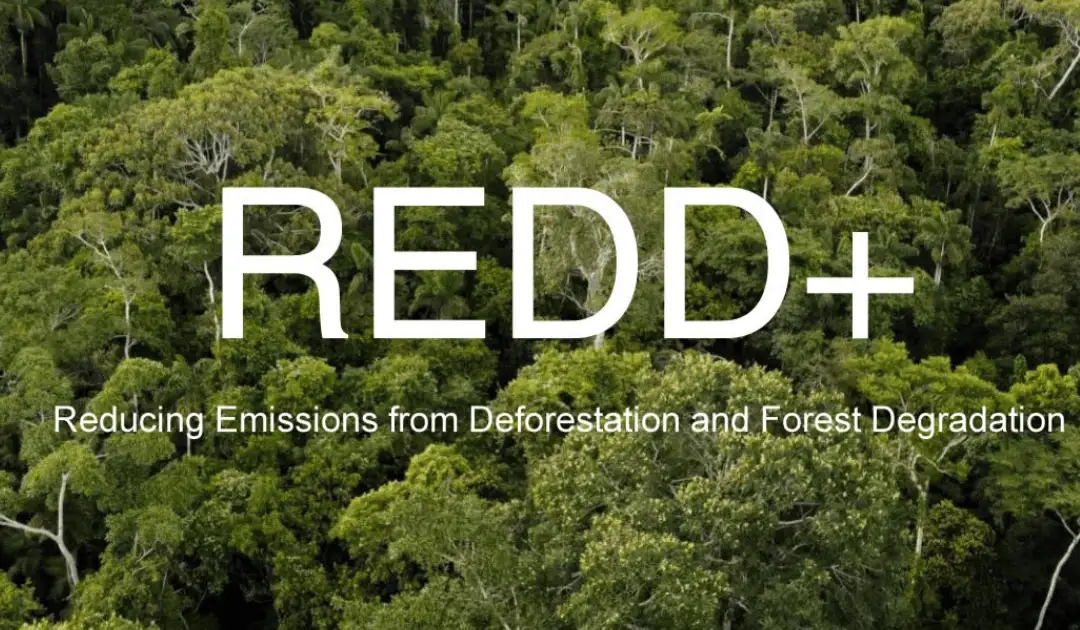
Reducing Emissions from Deforestation and Forest Degradation (REDD): A Global Strategy for Climate Protection
Forests play a critical role in regulating the Earth's climate by absorbing carbon dioxide from the atmosphere and storing it in trees, soil, and vegetation. However, rapid deforestation and forest degradation caused by agriculture, urban expansion, illegal logging, mining, and infrastructure development have significantly increased greenhouse gas emissions worldwide. To address this challenge, the concept of reducing emissions from deforestation and forest degradation (REDD) was developed as an international climate change mitigation strategy. It encourages countries to conserve forests while reducing carbon emissions and promoting sustainable forest management.
At Enviropol, we recognize the importance of environmental sustainability and global initiatives like REDD that contribute to climate action and long-term ecological balance.
What is Reducing Emissions from Deforestation and Forest Degradation (REDD)?
The concept of Reducing Emissions from Deforestation and Forest Degradation (REDD) was introduced under the United Nations Framework Convention on Climate Change (UNFCCC) as a global initiative to address one of the major sources of greenhouse gas emissions. The primary objective of REDD is to reduce emissions caused by deforestation and forest degradation while encouraging countries to protect, restore, and sustainably manage their forest resources. Over time, the initiative has evolved to include forest conservation, sustainable forest management, and the enhancement of forest carbon stocks, making it an important component of international climate action.
Forests act as natural carbon sinks by absorbing and storing large amounts of atmospheric carbon dioxide, helping regulate the Earth's climate. When forests are cleared, burned, or degraded due to activities such as logging, agriculture, and urban expansion, the stored carbon is released back into the atmosphere, significantly contributing to global warming and climate change. REDD provides financial incentives and performance-based support to developing countries to conserve forests instead of exploiting them for short-term economic gains. This approach not only contributes to climate change mitigation but also helps preserve biodiversity, protect watersheds, improve ecosystem resilience, and sustain the livelihoods and cultural heritage of millions of forest-dependent communities around the world.
Understanding REDD: Reducing Emissions from Deforestation and Degradation
The framework of REDD (Reducing Emissions from Deforestation and Forest Degradation) extends well beyond simply preventing forest loss. It encourages countries to implement comprehensive policies and long-term strategies that reduce illegal logging, improve land-use planning, strengthen forest governance, promote sustainable forestry practices, and conserve biodiversity. The initiative also supports the restoration of degraded forests and encourages local communities to participate in sustainable forest management, creating both environmental and socio-economic benefits.
In addition, REDD places strong emphasis on accurately monitoring forest cover and carbon stocks through satellite technology, remote sensing, geographic information systems (GIS), and scientific assessments to ensure transparency and measurable reductions in greenhouse gas emissions. Participating countries receive performance-based financial incentives only after demonstrating independently verified reductions in emissions resulting from improved forest conservation and management practices. This results-based approach helps build accountability while encouraging long-term investments in climate mitigation and sustainable forest management.
The Importance of REDD Reducing Emissions from Deforestation and Forest Degradation
The strategy of REDD (Reducing Emissions from Deforestation and Forest Degradation) has become one of the most significant nature-based solutions for addressing climate change and conserving biodiversity. According to international climate studies, deforestation contributes a substantial share of global greenhouse gas emissions each year by releasing large amounts of stored carbon into the atmosphere. Protecting existing forests is therefore one of the fastest, most practical, and cost-effective methods of reducing atmospheric carbon concentrations while supporting global climate mitigation efforts.
Beyond carbon storage, forests play a vital role in regulating rainfall patterns, preventing soil erosion, protecting water resources, supporting wildlife habitats, preserving biodiversity, and maintaining overall ecosystem stability. REDD recognizes that conserving and sustainably managing forests provides multiple environmental, economic, and social benefits while helping countries meet their climate commitments under international agreements such as the Paris Agreement. Organizations such as Enviropol believe that integrating sustainable environmental technologies with forest conservation initiatives can strengthen global efforts toward cleaner industries, healthier ecosystems, and a more sustainable future for generations to come.
Environmental Benefits of Reduced Emissions from Deforestation and Degradation
The implementation of Reduced Emissions from Deforestation and Forest Degradation (REDD+) offers numerous environmental benefits that extend far beyond climate change mitigation. By protecting forests, countries preserve habitats for countless plant and animal species, many of which are threatened by habitat destruction and ecosystem fragmentation. Conserving forests also helps maintain biodiversity, protects endangered wildlife, and supports the ecological balance necessary for healthy ecosystems to thrive.
Healthy forests improve water quality by regulating watershed systems, reducing sedimentation in rivers and reservoirs, and maintaining groundwater recharge. They also help stabilize local and regional climates, reduce the risk of floods, droughts, and landslides, improve soil fertility, and prevent soil erosion. In addition, forests support local communities by providing sustainable livelihoods, clean air, and valuable natural resources, making forest conservation an essential component of long-term environmental sustainability.
Challenges in Implementing REDD Programmes
Although REDD has demonstrated significant potential in reducing emissions from deforestation and promoting sustainable forest management, its successful implementation requires addressing several complex environmental, social, and economic challenges. One of the primary issues involves balancing economic development with forest conservation, particularly in regions where local communities depend heavily on forests for their livelihoods, agriculture, and natural resources.
Land ownership disputes, illegal logging, weak governance, limited enforcement of environmental regulations, and insufficient financial resources can significantly reduce the effectiveness of REDD initiatives. Additionally, accurately measuring carbon stocks, monitoring forest cover, and verifying emission reductions require advanced technologies, skilled professionals, and strong institutional capacity. Long-term success also depends on consistent funding, effective policy implementation, and collaboration among governments, local communities, businesses, and environmental organizations. International cooperation, transparent governance, active community participation, scientific monitoring, and continuous capacity building are essential to overcoming these challenges and ensuring that REDD programmes deliver meaningful and lasting environmental, social, and climate benefits.
Technology and Monitoring in REDD
Modern technology has become an essential component of REDD implementation. Satellite imagery, remote sensing, drone surveys, geographic information systems (GIS), and artificial intelligence are increasingly used to monitor forest cover, detect illegal deforestation, and estimate carbon storage.
These technologies provide accurate, real-time data that enable governments and environmental organizations to evaluate conservation efforts and verify emission reductions. Reliable monitoring systems also improve transparency and strengthen confidence among international funding agencies supporting REDD initiatives.
As environmental technologies continue to advance, organizations like Enviropol recognize the growing importance of scientific monitoring in supporting sustainable environmental management and climate action.
REDD and Sustainable Development
REDD contributes directly to several Sustainable Development Goals (SDGs), including Climate Action (SDG 13), Life on Land (SDG 15), No Poverty (SDG 1), and Sustainable Cities and Communities (SDG 11). By promoting forest conservation and sustainable land management, REDD creates employment opportunities through sustainable forestry, eco-tourism, reforestation initiatives, and environmental restoration projects. These efforts also support indigenous communities by protecting their traditional knowledge, cultural heritage, and forest-based livelihoods while encouraging their active participation in conservation activities.
Many REDD programmes also promote sustainable agricultural practices that reduce pressure on forests, improve soil health, and increase agricultural productivity. These initiatives help strengthen food security, enhance rural incomes, and build long-term economic resilience for local communities. By integrating environmental conservation with responsible economic development, REDD enables countries to pursue sustainable growth while preserving biodiversity, protecting valuable natural ecosystems, and contributing to global efforts to mitigate climate change.
The Future of REDD in Global Climate Action
As nations work toward achieving net-zero emissions, forest conservation will remain a critical component of international climate strategies. Future REDD programmes are expected to become increasingly integrated with carbon markets, biodiversity conservation, ecosystem restoration, and sustainable land-use planning.
Greater investment in technology, improved governance, stronger community participation, and international collaboration will further enhance the effectiveness of REDD initiatives. Continued scientific research and transparent reporting will also strengthen global confidence in forest-based climate solutions.
At Enviropol, we support awareness of environmental initiatives that promote sustainable resource management and contribute to reducing global greenhouse gas emissions through responsible environmental practices.
Conclusion
The initiative of reducing emissions from deforestation and forest degradation represents one of the world's most effective nature-based approaches to combating climate change. By protecting forests, improving sustainable land management, and supporting local communities, REDD delivers significant environmental, social, and economic benefits.
FAQs
1. What is REDD in climate change?
REDD (Reducing Emissions from Deforestation and Forest Degradation) is a global initiative that helps lower greenhouse gas emissions by protecting forests, preventing deforestation, and promoting sustainable forest management.
2. What is the objective of REDD and REDD+?
The objective of REDD and REDD+ is to reduce emissions from deforestation, conserve forests, enhance forest carbon stocks, support sustainable forest management, and improve local community livelihoods.
3. How does REDD help reduce carbon emissions?
REDD reduces carbon emissions by preventing deforestation and forest degradation, allowing forests to absorb and store carbon dioxide while avoiding emissions released through land clearing and logging activities.
4. What is the difference between REDD and REDD+?
REDD focuses on reducing emissions from deforestation and forest degradation, while REDD+ additionally promotes forest conservation, sustainable forest management, and enhancement of forest carbon stocks.
5. Which countries benefit from REDD programs?
Developing countries with significant forest resources, including Brazil, Indonesia, India, Peru, the Democratic Republic of Congo, and several African and Asian nations, benefit from REDD programs.
6. How are forest carbon credits generated through REDD projects?
Forest carbon credits are generated by measuring verified reductions in emissions achieved through forest conservation, sustainable management, and preventing deforestation under internationally recognized carbon accounting standards.
7. What challenges do REDD projects face?
REDD projects face challenges such as land ownership disputes, funding limitations, monitoring difficulties, illegal logging, policy implementation issues, and ensuring long-term community participation and forest protection.
8. Why is REDD important for biodiversity conservation?
REDD protects forests that serve as habitats for countless plant and animal species, helping conserve biodiversity, maintain ecosystem balance, safeguard endangered wildlife, and support long-term environmental sustainability.