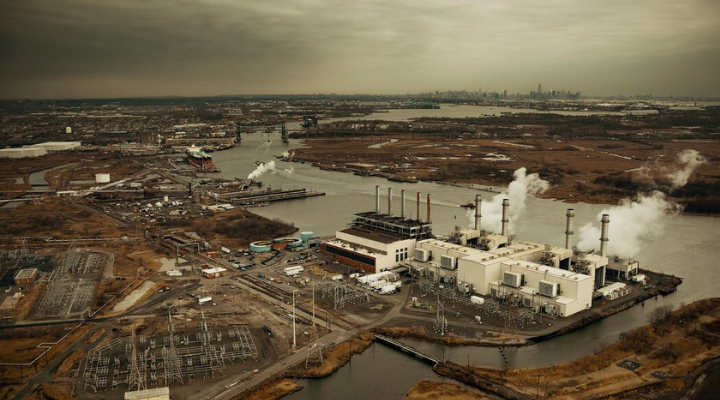
MSW Pyrolysis: A Sustainable Solution for Waste Management and Energy Recovery
Due to urbanization and population increase, cities are becoming extremely concerned with the increasing Municipal Solid Waste (MSW). Proper management of this waste has become a worldwide issue both in environmental management and the economy. MSW pyrolysis is one of the most resourceful and environmentally friendly ways to address this problem since the process provides the volume of waste with not only the shrinkage of waste but also essential energy that can be used.
What is MSW Pyrolysis?
MSW pyrolysis is a high temperature decomposition procedure that turns organic waste materials in to convenient by-products, i.e., oil, gas, and char without the presence of oxygen. Pyrolysis is a process that decomposes the materials compared to incineration which burns the waste entirely causing temperatures of between 300 degree C to 700 degree C. The process will aid in the recovery of energy without the release of harmful pollutants and hence it is a cleaner and more sustainable method of managing solid wastes.
Principles of an MSW Pyrolysis Plant
MSW pyrolysis plant is run in a number of stages. The waste is first segregated and pre-treated in order to eliminate non-pyrolysable components of waste (metals and glass). The rest of the organic waste is then inputted into a pyrolysis reactor where it is subjected to controlled heating in the absence of oxygen. The end products of this process are three:
1. Pyrolysis Oil: This is a type of liquid fuel that can be used in boilers or generators in the industry.
2. Syngas: A flammable gas which may be used to drive turbines or can be used again as a part of the system to keep itself sustainable.
3. Char: Carbonous solid wastes that are used either as a building material or in soil conditioner.
Ideas on waste management efficiency is based on the type of waste and plant design. Contemporary systems are developed in such a way that they produce the minimum number of emissions, recycle heat, and maximize energy production.
Benefits of MSW Pyrolysis
1. Waste Volume Reduction: The process has the capacity of reducing the waste volume up to 80 per cent thus greatly reducing the reliance on landfill.
2. Energy Recovery: Pyrolysis process is beneficial in the production of renewable energy because it uses waste as fuel.
3. Environmental Protection: It discourages open dumping and burning which minimizes the emission of greenhouse gases and soil pollution.
4. Resource Recovery: The by-products namely pyrolysis oil and char can be commercially exploited, which can result in a circular economy.
5. Scalability: MSW pyrolysis plants are scalable depending on the amount of waste and, hence can be used in a small town as well as in a big city.
The Future of MSW Pyrolysis
With the transition of countries to sustainable waste management, MSW pyrolysis is also considered as one of the most promising technologies in the pursuit of zero-waste objectives. As automation, emission control and process optimization advances, the effectiveness and environmental performance of such plants are ever-increasing. Such solutions are being invested in by governments and individual businesses alike in order to deal with the wastage and security of energy.
MSW pyrolysis can be considered an important move towards a cleaner and greener future by converting waste into wealth. To find innovative and sustainable waste-to-energy solutions, Enviropol is one of the reliable companies that can push the development in the sphere.