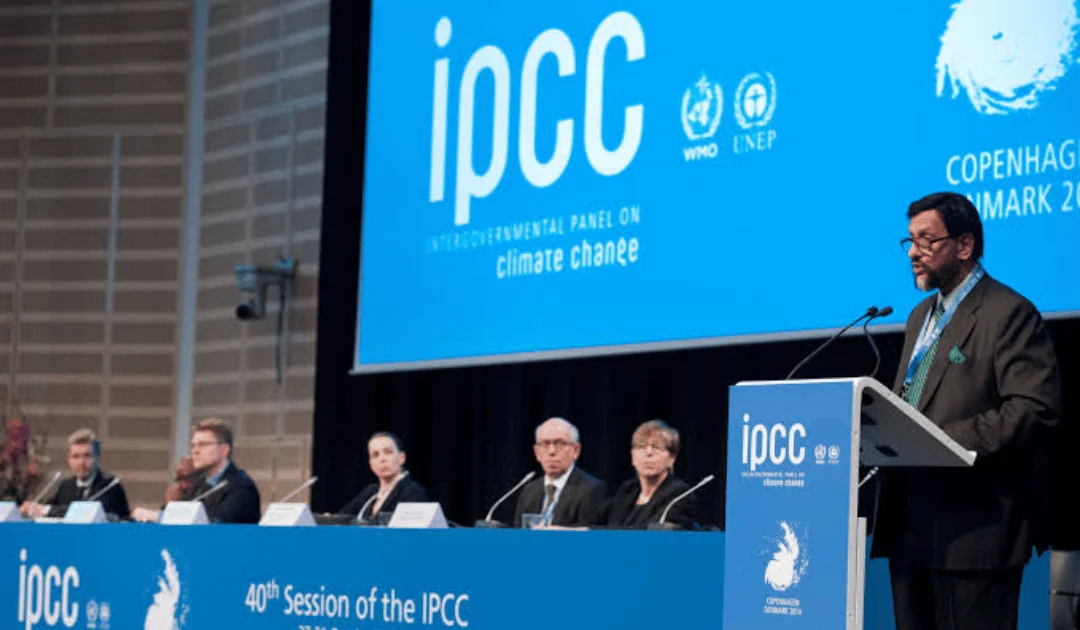
Intergovernmental Panel on Climate Change (IPCC): Understanding Its Role in Global Climate Action
Climate change has become one of the most pressing global challenges, affecting ecosystems, economies, industries, and communities across the world. Scientific research plays a vital role in helping governments and organizations understand climate risks and develop effective mitigation strategies. The Intergovernmental Panel on Climate Change has emerged as the world's leading scientific authority on climate assessment, providing evidence-based reports that shape international climate policies and environmental initiatives. Organizations such as Enviropol recognize the importance of these scientific assessments in supporting cleaner industrial practices and sustainable environmental solutions.
What is the Intergovernmental Panel on Climate Change (IPCC)?
The Intergovernmental Panel on Climate Change (IPCC) is an international scientific body established in 1988 by the United Nations Environment Programme (UNEP) and the World Meteorological Organization (WMO). The UN Intergovernmental Panel on Climate Change does not conduct its own research. Instead, it evaluates thousands of peer-reviewed scientific studies published by experts worldwide to provide comprehensive and evidence-based assessments of climate science.
These reports help governments, policymakers, industries, researchers, and environmental organizations understand the causes, impacts, risks, and possible solutions related to climate change. The IPCC's assessments also play a vital role in shaping global climate policies and international environmental agreements. Enviropol believes that such science-backed guidance is essential for industries seeking effective emission control technologies, regulatory compliance, and sustainable environmental management.
Why is the IPCC Important?
The IPCC (Intergovernmental Panel on Climate Change) plays a crucial role in translating complex scientific research into practical, reliable information for governments, policymakers, businesses, and environmental stakeholders. Its reports provide objective, transparent, and policy-relevant assessments that support international climate agreements, national environmental strategies, industrial sustainability initiatives, and long-term climate action planning.
Developed and reviewed by hundreds of leading scientists and experts from around the world, these reports represent one of the most credible and authoritative sources of climate-related information available today. The IPCC's findings guide decision-making on emission reduction, climate adaptation, and environmental protection across multiple sectors. Businesses like Enviropol rely on globally accepted scientific knowledge to help industries reduce emissions, improve environmental compliance, adopt cleaner technologies, and contribute to a more sustainable future.
Understanding the Intergovernmental Panel on Climate Change Report
Every Intergovernmental Panel on Climate Change (IPCC) report presents a comprehensive assessment of the latest scientific understanding of climate change by reviewing thousands of peer-reviewed studies conducted by researchers across the globe. Rather than producing original research, the IPCC evaluates existing scientific evidence to provide policymakers, governments, industries, and environmental organizations with reliable, evidence-based insights into climate trends. These reports cover observed climate changes, projected future impacts, climate risks, adaptation measures, mitigation strategies, and policy options for addressing global warming. Published through extensive assessment cycles, each report is prepared by three dedicated working groups that focus on the physical science of climate change, climate impacts and adaptation, and greenhouse gas mitigation, ensuring a multidisciplinary and balanced evaluation.
The reports examine scientific evidence related to rising global temperatures, melting glaciers and polar ice sheets, changing rainfall patterns, sea-level rise, ocean warming, biodiversity loss, ecosystem degradation, and the increasing frequency and intensity of extreme weather events such as heatwaves, floods, droughts, and storms. In addition to highlighting the challenges posed by climate change, the IPCC also evaluates practical and scientifically validated solutions, including renewable energy adoption, energy efficiency improvements, sustainable land-use practices, carbon capture and storage (CCS), industrial emission reduction technologies, cleaner manufacturing processes, and climate-resilient infrastructure. These assessments provide a strong scientific foundation for global climate action while helping industries and governments make informed decisions that support sustainable development and long-term environmental protection.
The Sixth Assessment Report (AR6)
The latest Intergovernmental Panel on Climate Change report, known as the Sixth Assessment Report (AR6), provides the most comprehensive and up-to-date scientific evaluation of climate change available today. Developed by hundreds of leading scientists from around the world, the report concludes with high confidence that human activities—particularly greenhouse gas emissions from fossil fuel combustion, industrial processes, and land-use changes—are the primary drivers of global warming and the rapid changes observed in Earth's climate system.
AR6 highlights that climate change is already affecting every region of the world through more frequent and intense heatwaves, heavy rainfall, prolonged droughts, floods, melting glaciers, rising sea levels, and increasing extreme weather events. The report also emphasizes that rapid, deep, and sustained reductions in greenhouse gas emissions are essential to limit future warming, strengthen climate resilience, and reduce long-term environmental and economic risks. For organizations such as Enviropol, these findings reinforce the importance of adopting advanced air pollution control technologies, improving industrial emission management, and implementing sustainable practices that support global climate action and environmental compliance.
Working Groups of the IPCC
The IPCC (Intergovernmental Panel on Climate Change) conducts its scientific assessments through three specialized Working Groups, each focusing on a distinct aspect of climate change. Working Group I examines the physical science behind climate change, including atmospheric processes, rising global temperatures, greenhouse gas concentrations, changing weather patterns, and the overall functioning of the Earth's climate system. Working Group II focuses on the impacts of climate change on ecosystems, biodiversity, economies, and human societies while evaluating risks, vulnerabilities, and adaptation strategies that can help communities become more resilient. Working Group III assesses methods for mitigating climate change by reducing greenhouse gas emissions, improving energy efficiency, adopting cleaner technologies, and promoting sustainable development across various sectors.
Together, these three Working Groups provide a comprehensive and scientifically robust understanding of climate change, its causes, consequences, and potential solutions. Their assessments serve as valuable resources for governments, policymakers, industries, researchers, environmental organizations, and businesses, enabling informed decision-making and supporting effective climate action at both national and global levels.
How IPCC Reports Influence Industries
The recommendations presented by the UN Intergovernmental Panel on Climate Change (IPCC) have a significant influence on industrial operations across the world. Many industries use the IPCC's scientific findings to improve energy efficiency, reduce greenhouse gas emissions, adopt cleaner production methods, invest in low-carbon technologies, and comply with evolving national and international environmental regulations. These recommendations also encourage businesses to integrate sustainability into their long-term operational and investment strategies.
Environmental engineering companies such as Enviropol actively contribute to these global climate efforts by developing advanced air pollution control systems, emission reduction technologies, and sustainable engineering solutions. By helping industries minimize environmental impact, improve regulatory compliance, and enhance operational efficiency, Enviropol supports organizations in aligning their industrial processes with global climate objectives while promoting responsible and sustainable growth.
The Future of Climate Action
Future climate action depends on close collaboration among governments, industries, researchers, policymakers, and local communities. The Intergovernmental Panel on Climate Change (IPCC) continues to provide reliable scientific evidence that supports informed decision-making, shapes climate policies, and encourages global cooperation to address pressing environmental challenges. Its assessments help countries and organizations develop practical strategies for reducing greenhouse gas emissions, strengthening climate resilience, and promoting sustainable development for future generations.
As industries increasingly transition toward cleaner technologies and environmentally responsible operations, organizations like Enviropol remain committed to supporting sustainable environmental solutions through innovative air pollution control systems, advanced emission management technologies, and specialized engineering expertise. By integrating globally accepted scientific knowledge with practical industrial applications, Enviropol helps businesses improve environmental compliance, reduce emissions, optimize operational efficiency, and contribute meaningfully to long-term environmental protection while supporting sustainable economic growth and responsible industrial development.
Conclusion
The Intergovernmental Panel on climate change has become one of the world's most respected scientific authorities on climate science. Through its comprehensive assessments, the ipcc intergovernmental panel on climate change provides reliable information that guides climate policies, industrial innovation, and environmental protection initiatives across the globe. Every intergovernmental panel on climate change report highlights the urgent need for collaborative action to reduce greenhouse gas emissions and strengthen climate resilience. By embracing sustainable engineering solutions and responsible industrial practices, organizations such as Enviropol continue to play an important role in helping industries move toward a cleaner, safer, and more sustainable future.
FAQs
1. What is the Intergovernmental Panel on Climate Change (IPCC)?
The Intergovernmental Panel on Climate Change (IPCC) is a United Nations scientific body that assesses global climate research and provides evidence-based reports to support climate policies and sustainable environmental decision-making.
2. What is the main role of the IPCC?
The IPCC evaluates scientific studies on climate change, its causes, impacts, and solutions, providing objective assessments that help governments, industries, and organizations make informed environmental and climate-related decisions.
3. How does the IPCC contribute to climate policy?
The IPCC provides scientific evidence that supports international climate agreements, national environmental policies, emission reduction strategies, and long-term sustainability planning for governments, industries, and global organizations worldwide.
4. Who prepares IPCC assessment reports?
IPCC assessment reports are prepared by hundreds of independent scientists and experts from around the world who voluntarily review and evaluate the latest peer-reviewed climate research and scientific findings.
5. How often does the IPCC publish its reports?
The IPCC publishes comprehensive assessment reports approximately every six to seven years, along with special reports and methodology updates addressing specific climate-related topics when required.
6. Why are IPCC reports important for governments and businesses?
IPCC reports provide reliable scientific guidance for developing climate policies, reducing emissions, managing environmental risks, supporting sustainability initiatives, and making informed decisions regarding future climate adaptation and mitigation strategies.
7. What are the latest findings of the IPCC on climate change?
Recent IPCC findings conclude that human activities are driving climate change, emphasizing urgent greenhouse gas reductions, cleaner technologies, climate adaptation, and immediate global action to limit future warming.
8. How can organizations use IPCC recommendations to reduce emissions?
Organizations can use IPCC recommendations by adopting cleaner technologies, improving energy efficiency, reducing greenhouse gas emissions, implementing sustainable practices, and developing long-term environmental management and decarbonization strategies.