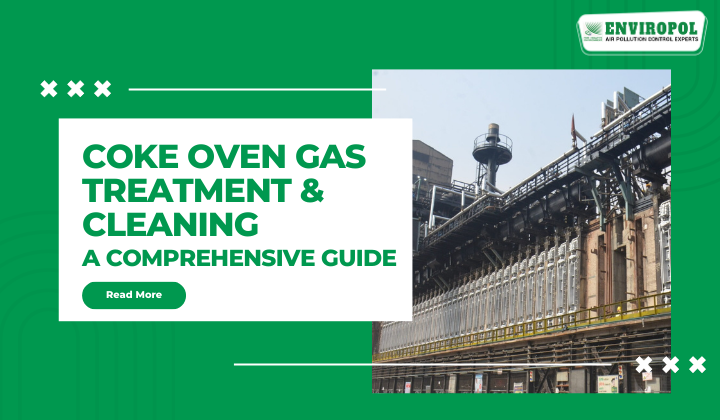
Coke Oven Gas Treatment and Cleaning: A Comprehensive Guide
The iron and steel industry is also an important consumer of coke oven gas treatment and cleaning, as coke ovens are utilised to transform coal into coke to be used in blast furnaces. In the process, lots of coke oven gas (COG) is produced as a by-product. The gas would have some useful combustible elements like hydrogen, methane and carbon monoxide, although they also have impurities and treatment and cleaning are necessary before they are used again. Coke oven gas when properly treated can be utilized as a fuel in the plant or as power generation to enable industries to become more efficient, reduce emissions and meet the environmental regulations.
What Is Coke Oven Gas?
The high temperature carbonization of coal in coke ovens results in coke oven gas. During heating of coal in the absence of air, volatile matter is released as raw gas. This raw coke oven gas leaves the oven at high temperature and it is a mixture of combustible gases as well as tar vapor, dust, ammonia and hydrogen sulfide and cyanides among other pollutants. In its untreated form, this gas cannot be used directly and is dangerous both to the environment and to its operation.
Significance of Coke Oven Gas Treatment
Coke oven gas must be treated and cleaned: this is obligatory both in terms of operational efficiency and environmental compliance. Untreated gas may corrode pipelines, destroy burners and adversely emit into the air. Treatment enhances quality of gas, works as a protective measure to downstream equipment and enables industries to recycle valuable by-products. Furthermore, the regulatory organisations in all regions of the world enforce a tight quota of emission, and thus, effective gas cleaning facilities constitute the essence of contemporary coke oven activities.
Raw Coke Oven Gas Composition
It can be explained through knowledge of coke oven gas composition that treatment is necessary. Hydrogen is the primary component of raw gas, and it is then succeeded by methane and carbon monoxide. It also carries along with these useful gases impurities such as the coal dust, tar aerosols, naphthalene, hydrogen sulfide, benzene, and other organic compounds. All these pollutants have their own way of being eliminated so as to make the gas safe and usable.
Introduction of Coke Oven Gas Cleaning Process
The coke oven gas treatment and cleaning process goes through several steps, each of which is directed to eliminate a certain contaminant. This process follows the immediate generation of the gas until the gas is pure enough to the desired standard. Although system designs could differ based on the capacity of the plant and regulations, the general steps are similar in the whole industry.
Main Cooling and Dust Cleaning
Primary cooling is the initial process of coke oven gas treatment. Coke oven raw gas leaves the coke oven at very high temperatures; typically, much higher than 800 °C. It is introduced to primary coolers whereby water or other cooler media bring the temperature to a very low temperature. In this cooling, a big part of the tar and dust is condensed and eliminated. The step keeps the downstream equipment safe and makes it possible to recover tar as a valuable by-product.
Tar Removal and Separation
Post primary cooling will be needed to remove more tar so as to have clean gas. This is normally done through tar separators, electrostatic precipitators or scrubbers. Removal of tar is very important since tar may block pipelines, contaminate heat exchangers and lower the efficiency of gaseous utilization systems. Effective separation of tar enhances the reliability of the operation and lowers the maintenance expenses in the long-run.
Removal of ammonia in Coke Oven Gas
The other significant contaminant in coke oven gas is ammonia. Left unchecked, ammonia is likely to corrode and will result in the formation of damaging nitrogen compounds during combustion. The ammonia is normally removed by washing the gas with water or acidic solutions in scrubbers. The recovered ammonia may be further utilized in the production of ammonium sulfate or other useful chemicals and this also introduces an economic value in the treatment process.
Removal of Hydrogen Sulfide and Sulfur Compounds
The toxicity, corrosiveness and sulfur dioxide contribution of hydrogen sulfide make it one of the most troublesome contaminants of coke oven gas. Hydrogen sulfide can be removed in a number of different steps, such as wet oxidation, chemical absorption, and catalytic conversion. Sulfur cleaning is very crucial in order to comply with environmental standards as well as safeguarding the burners and engines that utilize treated coke oven gas as fuel.
Removal of Naphthalene and Light Oil
Light oils and naphthalene are capable of condensing at lower temperatures and bringing about blockages in pipelines and burners. To avoid such problems, coke oven gas cleaning systems have specific measures of eliminating light oils and naphthalene. This is usually realized by cooling, washing or adsorption processes. Effective removal guarantees a correct flow of gas and constant combustion limits.
Final Gas Cooling and Drying
The coke oven gas is then finally cooled and dried after determining the major impurities. The moisture level should be regulated to avoid corrosion and maintain a constant calorific value. Dry gas can be stored, transported and made more effectively used. The gas is usually at this point ready to be distributed either in the plant or to power generation systems.
Use of Treated Coke Oven Gas
After cleaning, coke oven gas can be utilized as a resource of energy. It is universally applied as a fuel in reheating plants, boilers, and power plants in steel plants. In others, the excess gas may be channeled to the local industries or consumed to produce electricity. The effective use of treated gas will decrease the reliance on external fuels and will decrease the spending on energy.
Proper Gas Interference Environmental Advantages
The cleaning and treatment of coke oven gas highly limits the emissions of sulfur oxides, nitrogen compounds and the formation of particulate matter. Industries can make significant air pollution through capturing and treating the pollutants before combusting them. This does not only assist in meeting regulatory standards but also enhances work safety and health in the surrounding community in the industrial areas.
Difficulties in Coke Oven Cleaning of Gas
Although coke oven gas treatment has its advantages, it has a number of challenges. Coal quality can also vary and it may lead to changes in gas make-up and necessitate flexible design of the system. Severe temperatures, chemical substances and tacky tar substances require material strength and frequent repairs. The solution to these challenges has to do with the advanced engineering solutions and the experienced technology providers.
Advanced Gas Cleaning Technologies Role
The coke oven gas cleaning systems of today are based on latest technologies in order to enhance efficiency and reliability. The gas treatment operations have been transformed through automation, better designs of scrubbers, high-efficiency separators and optimization of chemical processes. Such companies as Enviropol have helped to create efficient air and gas pollution control technologies that help to establish cleaner and more sustainable industrial processes.
Energy efficiency and Cost savings
Economic benefits are long-term in terms of investing in efficient coke oven gas treatment. Clean gas is more efficient in burning, which consumes less fuel and operates at lower costs. By-products like tar, ammonia and sulfur are also recovered and this also increases profitability. These savings can also in the long term offset the investment made in treatment infrastructure.
Conformance to the Regulatory Standards
Environmental laws that regulate industrial emissions are getting tighter. Correct cleaning of coke oven gas assists companies in meeting the national and international standards regarding the air quality and occupational safety. Adoption of reputed solutions like Enviropol can enable adherence and also ensure the efficiency of operations.
Coke Oven Gas Treatment Future Trends
The future of coke oven gas treatment is concentrated on to the higher efficiency, reduced emission, and combination with energy recovery systems. The next-generation gas cleaning solutions are being developed in the areas of innovations in catalytic processes, digital monitoring, and waste heat recovery. Industries are also moving towards cleaner and more efficient gas treatment methods because of the sustainability and carbon reduction targets.
Conclusion
The treatment and cleaning of coke oven gas are parts of the modern steel and metallurgical process. Since the crude cooling and desalination processes are only the initial steps to convert raw gas to a useful power source, the sulfur treatment and the final drying step are crucial to the process. When well treated, efficiency is enhanced, equipment is safeguarded, environmental impact is reduced and compliance with regulations is achieved. Coke oven gas can be effectively recycled, and industries can get cleaner operations with the help of the latest technologies and with the help of skilled solution providers such as Enviropol.