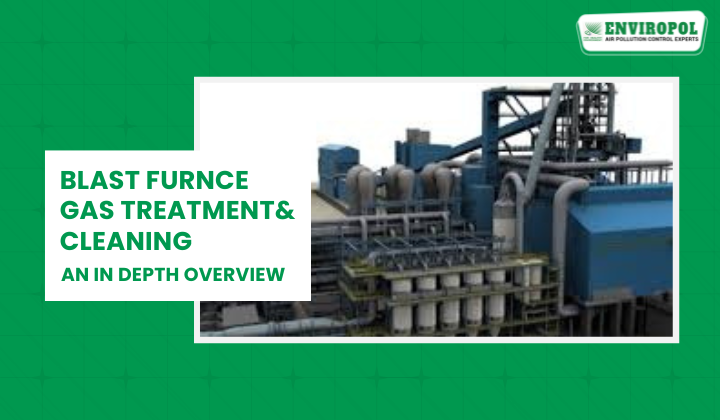
Blast Furnace Gas Treatment and Cleaning: An In-Depth Overview
The blast furnace gas is one of the by-products that is produced when iron is produced in a blast furnace. The high-temperature chemical reactions take place when iron ore, coke and fluxes are introduced into the furnace and result in molten iron and slag. In conjunction with the production of these products, there is a high quantity of blast furnace gas emitted. This gas has useful combustible elements like carbon monoxide, inert gases like nitrogen and carbon dioxide. Owing to its volume and potential energy value, the blast furnace gas is usually reused in the steel plants. Nevertheless, it should be treated and cleaned first before it can be recycled safely and efficiently.
Properties of Blast Furnace Gas
The blast furnace gas usually has low calorific value, relative to other industrial gases, however, due to the sheer quantity of it, it is a significant source of energy. The gas usually has carbon monoxide, carbon dioxide, nitrogen, hydrogen, and some traces of methane. Blast furnace gas contains a lot of dust, fine particulate matter and contaminants made by iron ore, coke and flux materials in addition to gaseous components. There can be a very high dust concentration at the furnace outlet and thus, gas cleaning is a necessity requirement in regard to operational safety and equipment protection.
The necessity to clean Blast Furnace Gas
The cleaning and treatment of blast furnace gas is also very important due to various reasons. Firstly, the gas before treatment has dust particles that are abrasive, as such that may cause damage to downstream equipment, blowers, valves, burners, and pipelines. Second, blockages, corrosion and lower efficiency of the heat recovery systems may occur due to high dust loads and contaminants. Third, an environmental viewpoint of releasing untreated blast furnace gas to the atmosphere may pollute the air. Gas cleaning is done properly so that the environmental regulations are not violated and also to allow safe reuse of the gas as a fuel.
Main Gas Treatment Objectives
The primary goals of the blast furnace gas treatment are the elimination of dust, the decrease of moisture, and stabilization of the quality of gases. Good cleaning enhances the calorific consistency of gas, increases the efficiency of combustion and increases the life of equipment. Furnace gas that has been treated is usually reused to heat stoves, boilers, power generation units and other processes in integrated steel plants. Plants can save a lot of fuel and energy through maximizing gas reuse, which can save a significant amount of money.
Stages of Cleaning of Blast Furnace Gas
The purification of blast furnaces gas is usually conducted in several phases, each of which can remove a certain kind of contaminant. The cleaning often begins with a removal of coarse dust and goes on to fine cleaning. Staged approach is very efficient and causes minimal wear on equipments.
Coarse Dust Removal Systems
The initial process of cleaning blast furnace gas is aimed at removing major and heavy dust. Dust catchers or inertial separators are some of the equipment that is usually in use at this stage. These work on the principle of gravity and the reversal of the flow of gases in order to remove the larger particles of the gas flow. Though removal of coarse dust cannot attain a very low level of emission, it removes a large proportion of dust load to the next cleaning processes.
Wet Scrubbing and Gas Washing
Course cleaning results in the gas generally going through wet cleaning systems, which include scrubbers or washers. Water in such systems will encounter such gas, and the soluble contaminants and finer dust particles will be captured by water. Wet scrubbers would be of great success in bringing dust levels to a significantly lower range. Nevertheless, they also add moisture to the gas which should be removed to avoid corrosion and operation problems of other downstream equipment.
Fine Cleaning and Dry Filtration
In the case of applications where very clean gas is required, fine cleaning systems are used. These can be bag filters, electrostatic precipitators or latest technologies of filtration. Fine cleaning is done in order to eliminate any minute particles of contaminant and to make the gas fit to the sensitive gadget like gas turbines or high-efficiency burners. Newer systems are meant to be able to operate in large volumes of gases without experiencing any changes in their operations.
Advanced Technologies used in Gas Cleaning
Gas cleaning technology has also developed and made it very efficient and reliable in treating gas of a blast furnace. Plants can reach a lower level of emission using less costly operating mechanisms through automated control systems, better filter materials and better scrubber designs. Firms such as Enviropol specialize in the provision of engineered solutions that are performance, durable and environmentally acceptable. These solutions assist steel producers to achieve high standards and their productivity.
Regulatory and Environmental Factors
The strictness of the environmental regulations on the quality of air is growing globally. Cleaning of the blast furnace gas is critical in assisting the steel plants to abide by these rules. Good dust and pollutant removal will minimize the release of hard substances to the atmosphere and will decrease the amount of particulate emissions. Steel manufacturers eliminate toxic gases by installing strong gas treatment facilities and thereby show environmental friendliness and minimize their total ecological impact.
Advantages of Energy Recovery and Sustainability
The possibility of using the blast furnace gas as a source of energy is one of the key benefits of the treatment. Hot blast stoves, boilers and power plants can be used to burn the gases that have been washed to produce heat and electricity. The use of this energy saves on the reliance on the external fuel which can be natural gas or coal. In the long run, the effective use of gas leads to the reduction of operating expenses and enhanced viability. Such organizations as Enviropol can assist in this method with their systems that increase environmental and economic performance.
Operational problems in Blast furnace gas treatment
In spite of the advancement in technology, there are various challenges associated with the operation of blast furnace gas cleaning. System performance can also be influenced by high dust loads, changing gas composition and changing temperatures. Wet cleaning systems have to deal with wastewater and sludge disposal whereas dry cleaning systems should be carefully maintained in order to remove filters destruction. The pick of technologies is crucial to attaining economic and dependable functioning.
Maintenance and System Reliability
It is important that the blast furnace gas cleaning systems are regularly maintained in order to make them reliable in the long term. The filters, scrubbers, fans and ducts are some of the components that should be maintained and regularly checked. During proper maintenance, the downtime is reduced, there are no sudden failures, and the quality of gas is balanced after all. Old solution providers tended to build systems with easy maintenance access and made of durable materials to withstand harsh operating conditions.
Prospects of Blast Furnace Gas Cleaning
The future of blast furnace gas treatment is closely associated with the need of the steel industry to move towards a cleaner and more efficient production. Technology is aimed at wastewater minimization, enhanced performance of dust capture and digital monitoring. Modern sensors and analytics allow tracking the performance in real-time and predictive maintenance. Enviropol keeps its solutions in line with these trends, and it helps steel plants to transform their operations to become more intelligent and greener.
Conclusion
The treatment and the cleaning of blast furnace gas are also crucial parts of contemporary iron and steelmaking. Gas cleaning systems eliminate dust and contaminants and therefore protect equipment, enhance energy efficiency, as well as provide environmental compliance. An efficient multi-stage cleaning process can enable steel plants to effectively utilize blast furnace gas and convert a problematic by-product into a resource. As technological improvement continues and the skills of long-term co-operating solution providers are supported, blast furnace gas cleaning will be one of the success factors towards sustainable and efficient steel production.